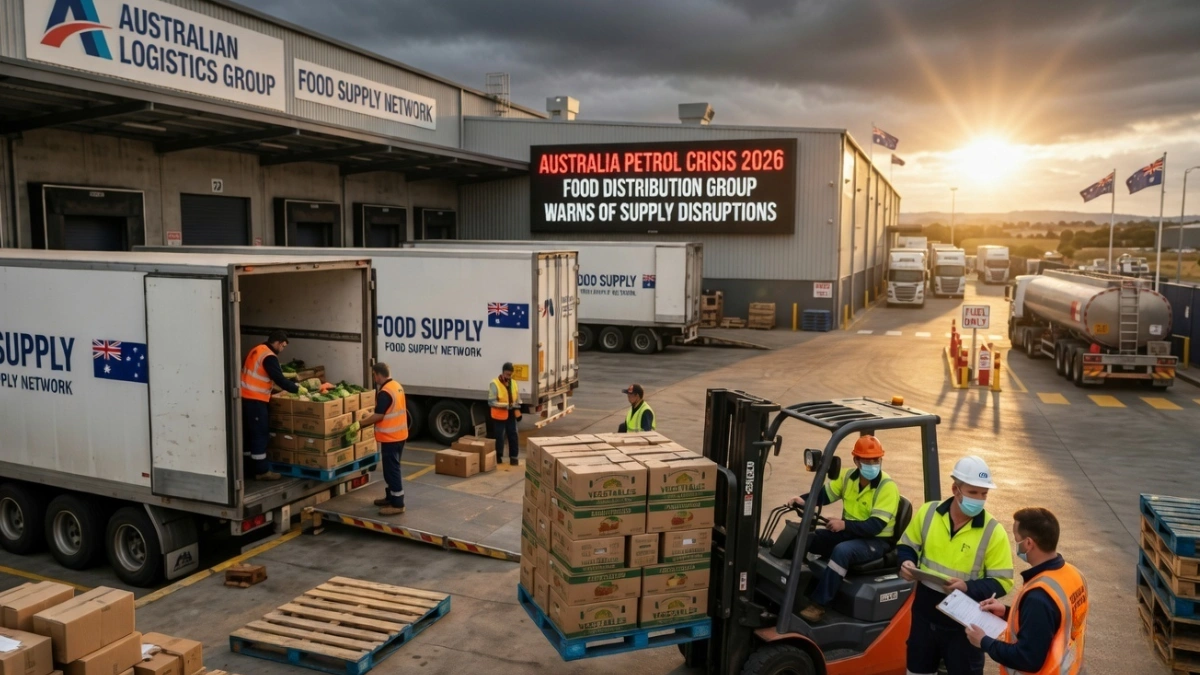
In 2026, concerns about a potential petrol supply disruption in Australia have raised alarms among food distribution groups and logistics companies. Industry representatives warn that fuel shortages could significantly affect transportation networks responsible for delivering groceries and essential goods across the country.
Because Australia relies heavily on road freight to move food and supplies between cities, ports, and rural areas, any disruption in fuel availability could create challenges for supermarkets and distribution centers.
Why Fuel Supply Issues Are Raising Alarm
Australia imports a large portion of its refined fuel, which means global supply conditions and shipping disruptions can influence local availability. If fuel deliveries are delayed or supply chains are interrupted, transportation companies may face difficulties maintaining normal delivery schedules.
Food distribution organizations have warned that even short-term supply problems can cause delays in grocery deliveries, particularly to remote communities that depend on regular freight shipments.
Key Factors Contributing to the Petrol Crisis Concerns
| Factor | Impact on Supply |
|---|---|
| Global Fuel Supply | Changes in international production and shipping |
| Import Dependence | Australia relies heavily on imported refined fuel |
| Transport Demand | High fuel usage for trucking and freight transport |
| Supply Chain Pressure | Delays affecting logistics and distribution |
| Regional Distance | Long transport routes increase fuel demand |
These factors highlight how fuel availability plays a major role in maintaining consistent food and goods distribution.
Potential Impact on Food Distribution
Food distribution groups say fuel shortages could affect the timing and frequency of deliveries. Trucks transporting fresh produce, packaged foods, and essential items rely on stable fuel supplies to maintain daily operations.
If petrol or diesel availability becomes limited, companies may be forced to prioritize certain deliveries or adjust routes. In extreme cases, this could result in temporary shortages of certain products in stores, especially in regional areas.
Government and Industry Response
Government agencies and industry leaders are closely monitoring the situation. Authorities are working with energy suppliers, logistics companies, and food distributors to ensure supply chains remain stable.
Emergency planning strategies may include prioritizing fuel for essential services such as food transport, medical deliveries, and emergency services to minimize disruption to communities.
Importance of Stable Fuel Supply for the Economy
Fuel availability is critical not only for transportation but also for the broader economy. Agriculture, manufacturing, and retail sectors all depend on reliable logistics networks.
Experts emphasize that maintaining adequate fuel reserves and strengthening supply chain resilience are essential steps to protect food distribution systems and ensure consistent access to essential goods.
Conclusion
The Australia petrol supply concerns in 2026 highlight how closely fuel availability is connected to national logistics and food distribution systems. While authorities are working to manage the situation, industry warnings show that disruptions in fuel supply could affect transportation and delivery networks.
Monitoring fuel supplies and maintaining strong logistics planning will be key to preventing widespread shortages and keeping essential goods moving across the country.
Disclaimer: This article is for informational purposes only. Fuel supply conditions and transportation logistics can change depending on global markets, government policies, and industry developments. Readers should consult official government announcements for the most accurate updates.